Wilmette New vs Vintage Homes: What Buyers Should Weigh
July 2, 2026
July 2, 2026
Wondering whether a Wilmette new build is the better move, or if a vintage home is the smarter long-term fit? In this market, that choice is rarely just about age or style. It is about how you want to live, what updates you may want to make later, and how Wilmette’s lot patterns, zoning, and preservation framework can shape your options. Let’s dive in.
Wilmette is still largely a single-family home community, which helps explain why buyers often compare very different property types in the same search. Village housing analysis says about 79% of homes are single-family, and nearly 89% of homes are owner-occupied. Census QuickFacts also places the median value of owner-occupied housing at $810,600.
That mix creates a market where you may look at an untouched older home, a renovated classic, and a newer rebuild all in the same weekend. In Wilmette, those are often three distinct products with different costs, timelines, and tradeoffs. If you are buying here, it helps to evaluate the house and the property together.
Wilmette’s older housing stock is a defining part of the village. Village materials describe a substantial and diverse collection of older homes that has shaped local character for more than a century. That history still shows up in the streetscape today.
The east side developed on a wooded tract near Lake Michigan, while the west side grew from a former farming community. As a result, lot patterns, street layouts, and neighborhood feel can vary meaningfully from one part of Wilmette to another. That matters when you are weighing a custom rebuild against an existing home with original features.
In Wilmette, new construction is usually not a subdivision story. More often, it is a teardown, rebuild, or infill opportunity shaped by an existing lot. That means the lot itself can be just as important as the home design.
If you are considering new construction, it helps to think beyond finishes and floor plans. The real question is often what the site can legally and practically support. In a village with established blocks and varied lot dimensions, that can affect everything from scale to outdoor space.
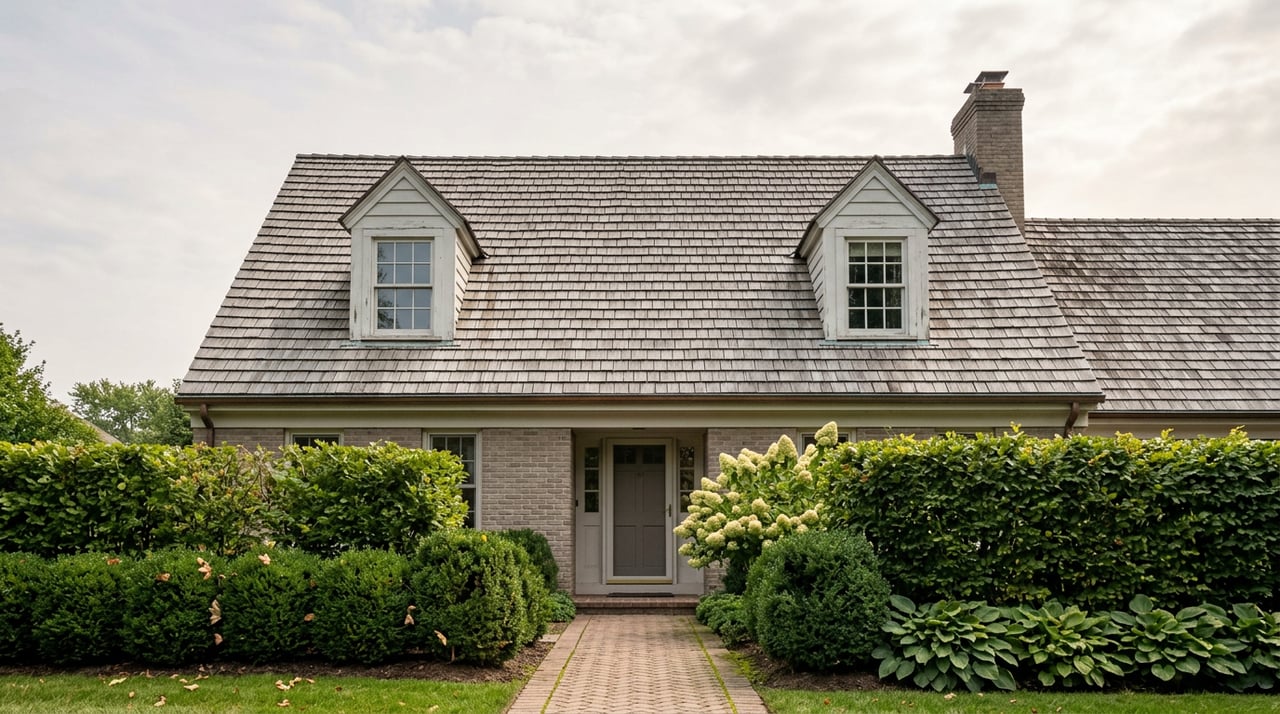
Vintage homes in Wilmette often appeal to buyers who value architectural detail, established streetscapes, and mature surroundings. Local preservation materials point to styles such as Prairie, Colonial Revival, Georgian Revival, Mediterranean Revival, Italian Renaissance Revival, Craftsman, and Tudor Revival. For many buyers, that craftsmanship and visual character are hard to replicate.
A vintage home can also offer a strong starting point if you appreciate original design but want to make selective updates over time. In the right case, a well-maintained older home can provide both character and flexibility. The key is understanding which updates are cosmetic and which involve bigger systems or approvals.
New construction usually starts with a more current code baseline, especially for energy performance. Illinois requires residential buildings to comply with the Illinois Energy Conservation Code, using the latest published edition of the IECC with Illinois amendments. That gives buyers a clearer baseline for insulation, air sealing, and systems.
ENERGY STAR says certified new homes are at least 10% more energy efficient than homes built to code and average about 20% better, with third-party verification of insulation, windows, air sealing, and HVAC performance. While not every new home is ENERGY STAR certified, this helps show why many buyers are drawn to newer construction for comfort and operating efficiency. In practical terms, newer homes may offer more predictability on systems and performance from day one.
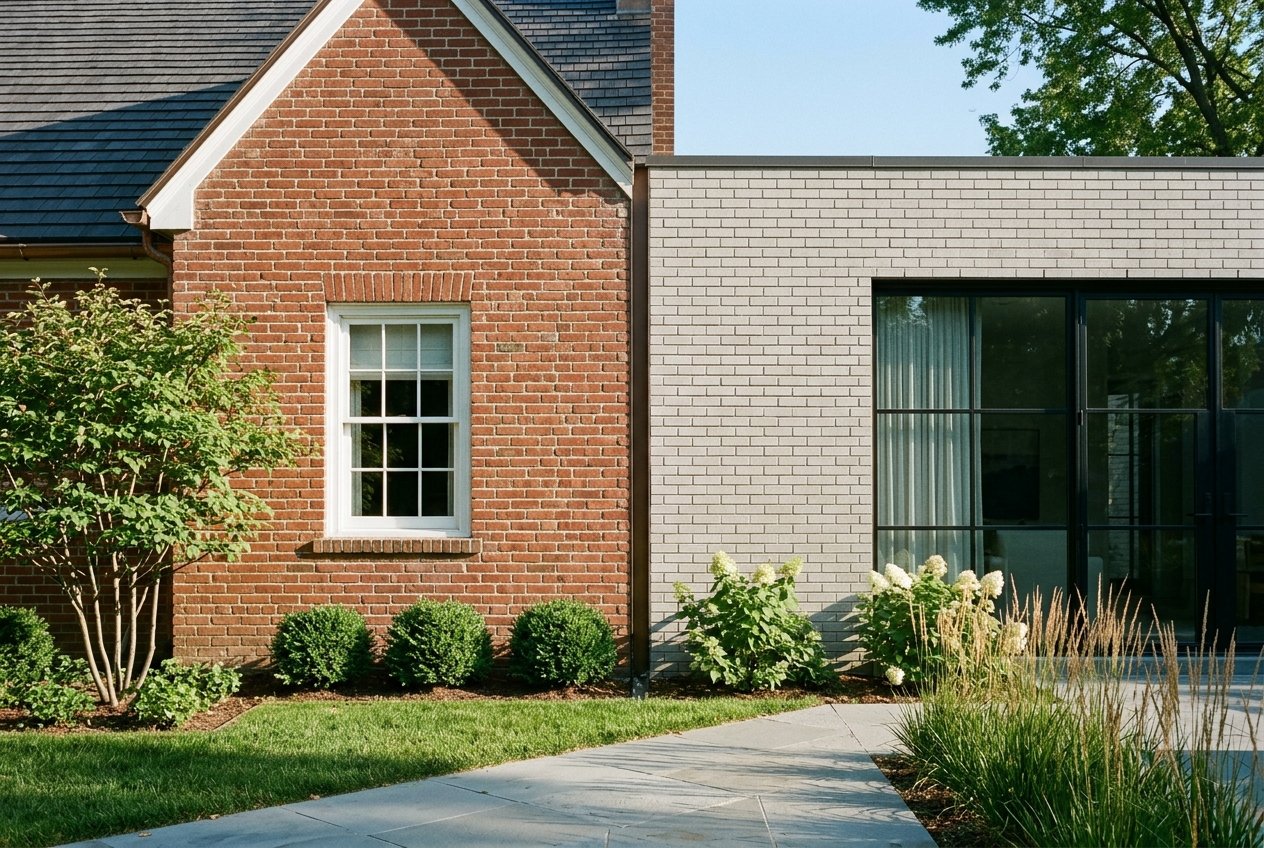
Wilmette values architectural continuity, but it also leaves room for thoughtful new homes. The village’s preservation materials note a range of established home styles, and Wilmette also recognizes new construction that fits neighborhood context through its Streetscape Compatibility Awards. That is an important signal for buyers.
In other words, this is not a simple case of old good, new bad, or the reverse. A well-designed rebuild can fit beautifully into its setting, and a renovated older home can preserve important character while improving day-to-day function. If you are choosing between the two, think about how each property sits on its block, not just how it looks online.
One of the biggest local factors is zoning. Wilmette split its former R1 district into nine single-family subdistricts, from R1-A through R1-I. Each subdistrict has standards for setbacks, height, lot coverage, minimum lot size, floor-area ratios, and impervious surface coverage.
That means two homes with similar asking prices may offer very different future potential. Minimum lot area can range from 5,000 square feet in R1-I to 8,400 square feet in several other subdistricts, and minimum lot width ranges from 40 to 60 feet. If you are planning an addition, a larger patio, a pool, or even a different driveway layout, these rules matter.
A vintage home with renovation potential can be compelling, but in Wilmette you should evaluate that potential carefully. The village requires permits for new construction, demolitions, additions, remodeling, roofing, HVAC, plumbing, decks, driveways and patios, and pools. Before you assume a project is straightforward, it is worth understanding the review path.
This does not mean older homes are difficult by default. It means future changes should be part of your buying decision, especially if your plans include expanding the footprint or changing the exterior. In some cases, the better value may be a renovated home where much of that work has already been completed.
For some Wilmette properties, preservation rules are a central part of the equation. The village has local landmarks and three National Register historic districts, and the Historic Preservation Commission reviews landmark- and district-related work. If a property is a local landmark or located in a historic district, exterior changes may require added review.
Wilmette’s guidance says a Certificate of Appropriateness is required before beginning exterior work on a local landmark. The village defines that certificate as authorization for alteration, construction, demolition, or relocation involving a Wilmette landmark or a property within a historic district. If preserving original detail is important to you, that may feel like a benefit. If you want broad freedom to redesign the exterior, it is something to examine early.
When you compare new construction with a vintage home, energy performance is usually one of the clearest differences. Older homes can still perform well, but the U.S. Department of Energy notes that many older homes have less insulation than homes built today. A home energy assessment can help identify inefficiencies and where upgrades may be needed.
That is a better way to think about older housing in Wilmette: case by case, not assumption by assumption. Some older homes have already seen major improvements to insulation, air sealing, windows, or mechanical systems. Others may still need meaningful work, which can affect both comfort and budgeting.
If the home was built before 1978, lead-based paint is another practical issue to keep in mind. EPA guidance says older homes are more likely to contain lead-based paint, and renovation, repair, and painting work can create lead dust. For projects that disturb lead-based paint in pre-1978 homes, lead-safe certified contractors are recommended.
This does not mean you should avoid an older home. It simply means renovation planning should be informed and specific. If you are buying a vintage property and expect to open walls, refinish surfaces, or remodel extensively, this is one more item to review before moving forward.
In Wilmette, price comparisons work best when you think in three buckets: original vintage condition, renovated classic, and newly rebuilt home. That framing reflects how buyers actually shop here. It also reflects the fact that older housing remains economically relevant in the village.
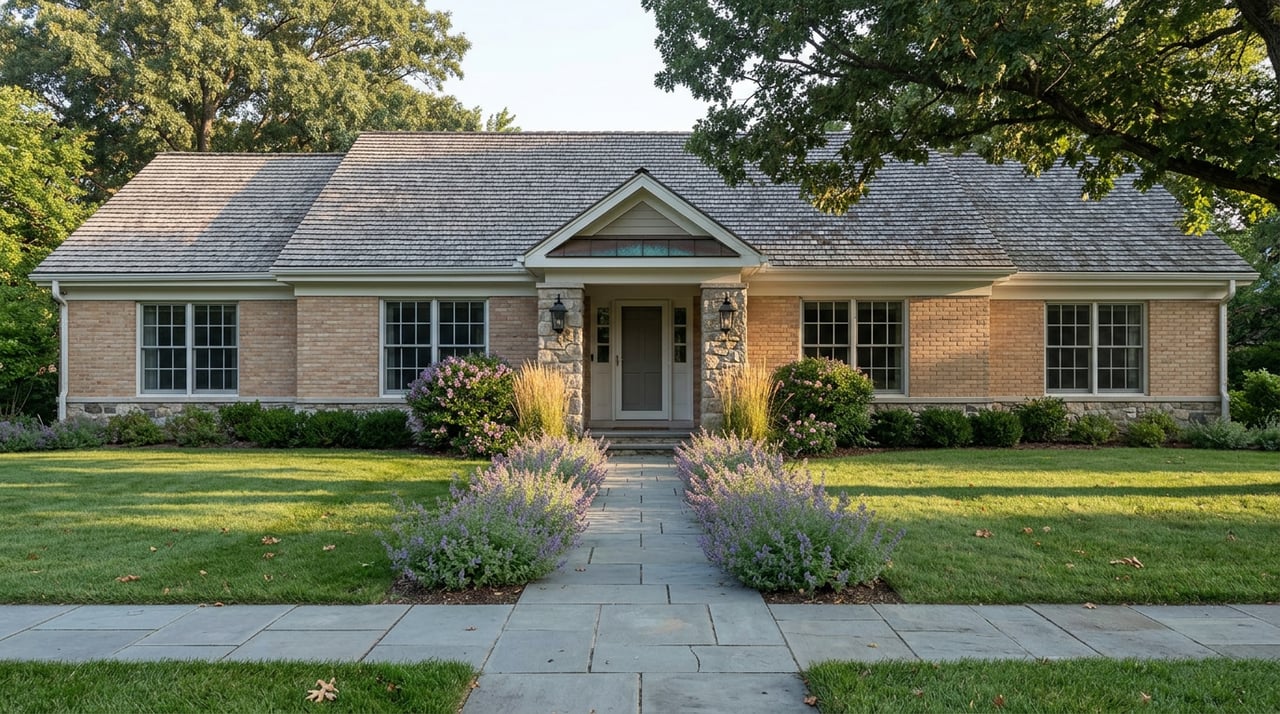
Wilmette’s housing analysis says 1950s-era homes saw median values rise from $442,800 in 2014 to $640,300 in 2024, a 4.5% annual increase. The same report describes many mid-century homes, including modest ranches, as an entry-level homeownership segment and notes that competition has affected prices in older housing stock. In other words, age alone does not determine value.
If you want move-in-ready living, current systems, and a more predictable energy baseline, new construction may feel like the cleaner fit. If you care most about established architecture, original detail, and the possibility of shaping a home over time, a vintage property may be more compelling. In Wilmette, both paths can make sense.
The smartest approach is to compare each property through a local lens. Look at zoning, permit implications, historic status, energy performance, and the likely scope of future work. Once you understand those factors, the right choice often becomes much clearer.
If you are weighing a rebuild, a renovated classic, or an untouched older home in Wilmette, a nuanced local read can make all the difference. Mary Grant offers thoughtful, high-touch guidance for buyers who want to understand not just the home, but the context around it.
Call Mary and learn what so many of her friends and colleagues already know: When it comes to helping you buy or sell your home, Mary will go above and beyond to get it done.
Contact Mary to Learn More