Buyer’s Guide to Kenilworth Historic & Architect-Designed Homes
February 19, 2026
February 19, 2026
You love houses with a story. In Kenilworth, many homes are more than places to live. They are works of art with pedigrees that trace to noted architects and early North Shore planning ideals. If you are considering a historic or architect‑designed home here, you want a clear path from first tour to confident offer. This guide gives you a practical, buyer‑focused roadmap tailored to Kenilworth so you can move forward with clarity. Let’s dive in.
Kenilworth began in 1889 as a carefully planned North Shore village with large lots, generous setbacks, and high construction standards. That early vision still shapes what you see today: a compact community with a notable concentration of architect‑designed homes on mature, lake‑proximate sites. For a quick historical overview, review the village’s background and origins in the Kenilworth profile.
Design pedigree is part of the fabric here. You will find significant Prairie School and Arts & Crafts examples by figures like George W. Maher, who left a strong mark on the village. Learn more about his local work through the Kenilworth Historical Society’s profile of George W. Maher. Kenilworth also includes an early Frank Lloyd Wright design, the Hiram Baldwin House at 205 Essex Road, which is listed on the National Register. For context on that property, see the Hiram Baldwin House entry.
Beyond Prairie influences, you will spot refined Tudor Revival, Colonial and Georgian Revival, and Neoclassical homes. Some commissions connect to the Daniel H. Burnham firm era, alongside other period revival work that adds variety to the streetscape. These layers of design create a market where architectural quality and setting drive demand.
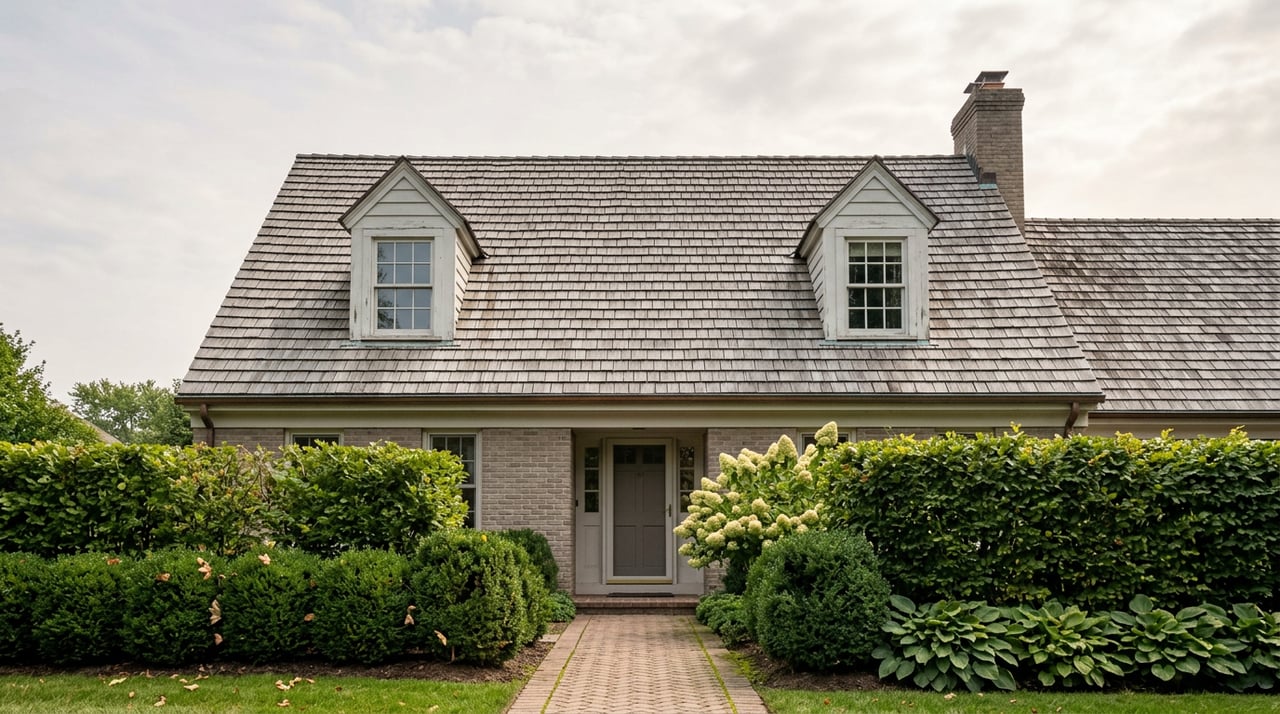
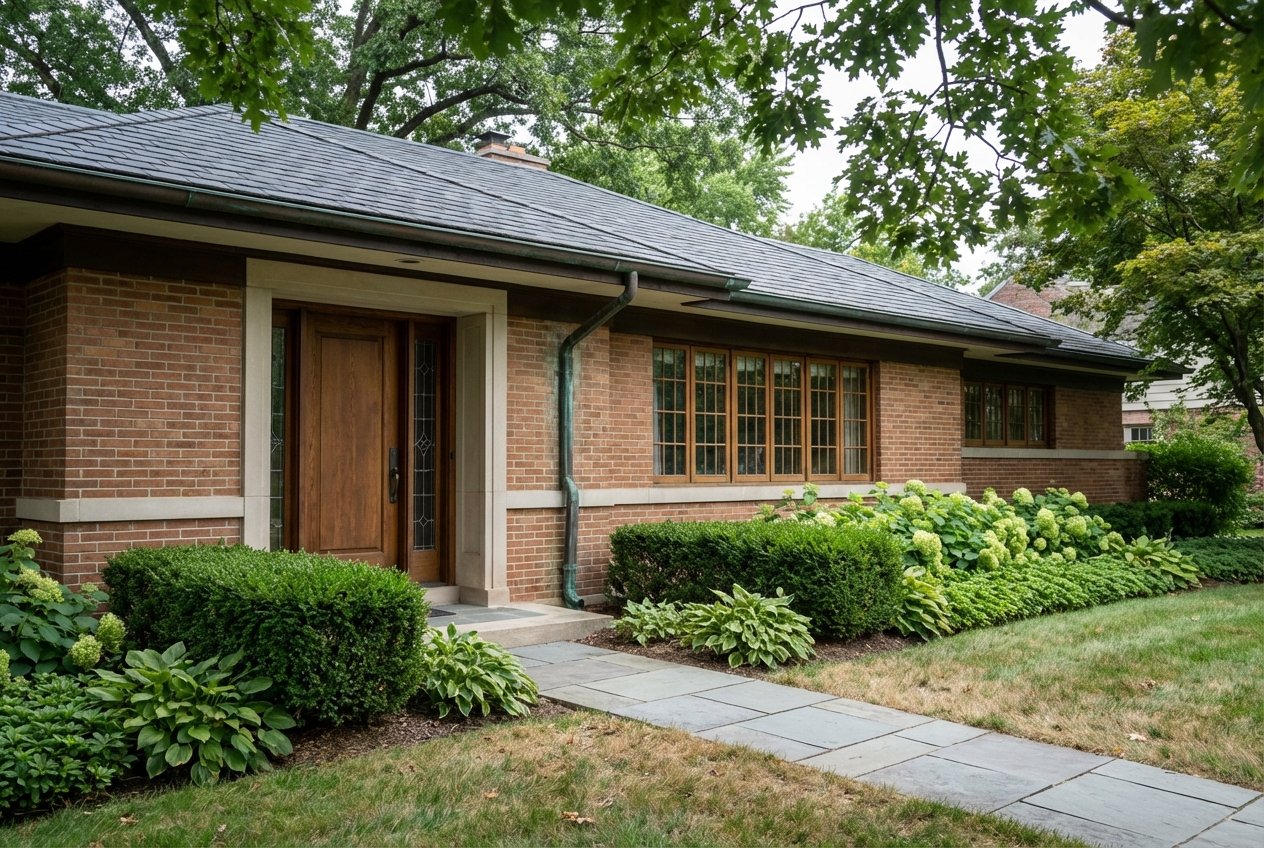
Historic Kenilworth homes often feature low‑pitched roofs, broad eaves, bands of casement windows, and integrated porches or terraces typical of the Prairie School. Arts & Crafts influences show up in mixed natural materials, exposed structural elements, and hand‑crafted details. Interiors may include original plaster, leaded or stained glass, custom millwork, and built‑ins. The National Park Service classifies these as character‑defining features that are costly to replicate, which is why careful evaluation is essential. For technical guidance on treatments and materials, review NPS preservation resources.
Landscape and setting are part of the appeal. Larger original lots, mature tree canopies, and designed plantings contribute to a home’s character. These same factors can influence what and where you can add in the future, especially on near‑lake properties with drainage considerations.
Buying a historic or architect‑designed home is an exercise in balancing beauty with building science. The right experts, realistic budgets, and a clear plan will help you secure the home you love without surprises.
Older systems often need upgrades. You will want to identify what is original, what has been modernized, and what remains to be done.
Roofs, masonry, and windows are high‑impact items in historic homes. Repairs or replacements often require specialized trades.
Older basements, especially near the lake, may show moisture from hydrostatic pressure or legacy drainage designs. Budget for waterproofing, grading adjustments, and sump systems if needed. Evaluate garages and additions with the same eye, since bulk rules and setbacks can affect any future plans.
Bring expertise to the table early. In addition to a full home inspection, consider targeted specialist evaluations during your contingency period.
For a technical framework as you compare treatment options, refer again to NPS preservation resources.
Kenilworth has a small number of properties listed on the National Register, and the local preservation conversation has evolved over time. The Kenilworth Historical Society provides context on current and past listings in its National Register overview. You should not assume that every older home is heavily regulated or, on the other hand, entirely unprotected. Policies can be piecemeal and can change.
Demolition and teardown pressures have been part of Kenilworth’s recent history. Analyses of the region note that the village implemented waiting periods for demolition permits as a response in past cycles, which created time for preservation solutions. For the economic and policy context behind teardowns, see the Lincoln Institute’s teardown dynamics overview. Always confirm the current written ordinance and timelines with the Village before you rely on any assumptions. Local zoning and preservation updates have been under review in recent years, as covered in regional reporting about village governance and code work, such as this overview of Kenilworth board activity.
The practical takeaway is simple. Policies are local and time‑sensitive. Verify rules with the Village’s Building and Planning staff before you finalize timelines or offer terms.
In suburbs with a history of teardowns, the lot and location can drive a large share of value. That dynamic has been documented regionally and was evident in Kenilworth’s teardown cycles. If you intend to preserve historic fabric, your premium is both the cost of careful rehabilitation and the opportunity cost of not building larger. For background, review the Lincoln Institute’s analysis of land versus structure value in teardown markets.
Older systems and high‑value historic finishes can affect insurability and costs. Many carriers restrict or surcharge policies for active knob‑and‑tube wiring, and some lenders require system upgrades or roof repairs before closing or before releasing full funds. Start insurance quotes early and explore endorsements that can cover ordinance and law compliance or agreed value for specialized materials. For a consumer‑level summary of insurance challenges with older homes, see this guide to insuring historic houses.
Illinois and Cook County administer a historic residence property assessment freeze for qualifying owner‑occupied homes that complete certified rehabilitations. The program can materially reduce post‑rehab assessed value for a set period if you meet the requirements. Start with the Cook County Assessor’s incentives overview and the State Historic Preservation Office’s funding and incentives page to understand thresholds, application timing, and certification steps.
Most North Shore communities share similar lakefront premiums, mature neighborhoods, and a strong stock of architect‑designed homes. The policy environment can differ, though. Some villages have strengthened landmarking or demolition delays at various times, while others emphasize owner flexibility. As you compare locations, map out four items for each: demolition delay length, local landmark or district rules, zoning bulk limits and any preservation bonuses, and participation in county or state incentives. These differences shape the feasibility, cost, and timing of adding on or replacing a structure.
Buying a historic or architect‑designed home in Kenilworth is as much about stewardship as it is about space. With the right due diligence, you can honor the architecture, control risk, and enjoy a one‑of‑a‑kind property for years to come. If you would like tailored advice, off‑market intelligence, or introductions to preservation‑savvy consultants, connect with Mary Grant to schedule a private consultation.
Call Mary and learn what so many of her friends and colleagues already know: When it comes to helping you buy or sell your home, Mary will go above and beyond to get it done.
Contact Mary to Learn More