Living in Kenilworth IL: Daily Life on the North Shore
April 16, 2026
April 16, 2026
If you are looking for a North Shore community with a quiet residential feel, easy train access, and a strong sense of local tradition, Kenilworth stands out. This small village offers a distinct lifestyle shaped by historic homes, Lake Michigan, and close ties to neighboring communities. If you are wondering what daily life really feels like here, this guide will walk you through the essentials. Let’s dive in.
Kenilworth is a very small village about 17 miles north of downtown Chicago. According to the Village of Kenilworth handbook, the village covers about 0.6 square mile and had 2,514 residents in the 2020 census.
That scale matters in everyday life. Kenilworth feels intimate, residential, and notably calm, with a layout and rhythm that reflect its original planning. The village was designed in the late 1800s with large lots, underground utilities, and a plan that originally prohibited alleys and fences, which still shapes its appearance today.
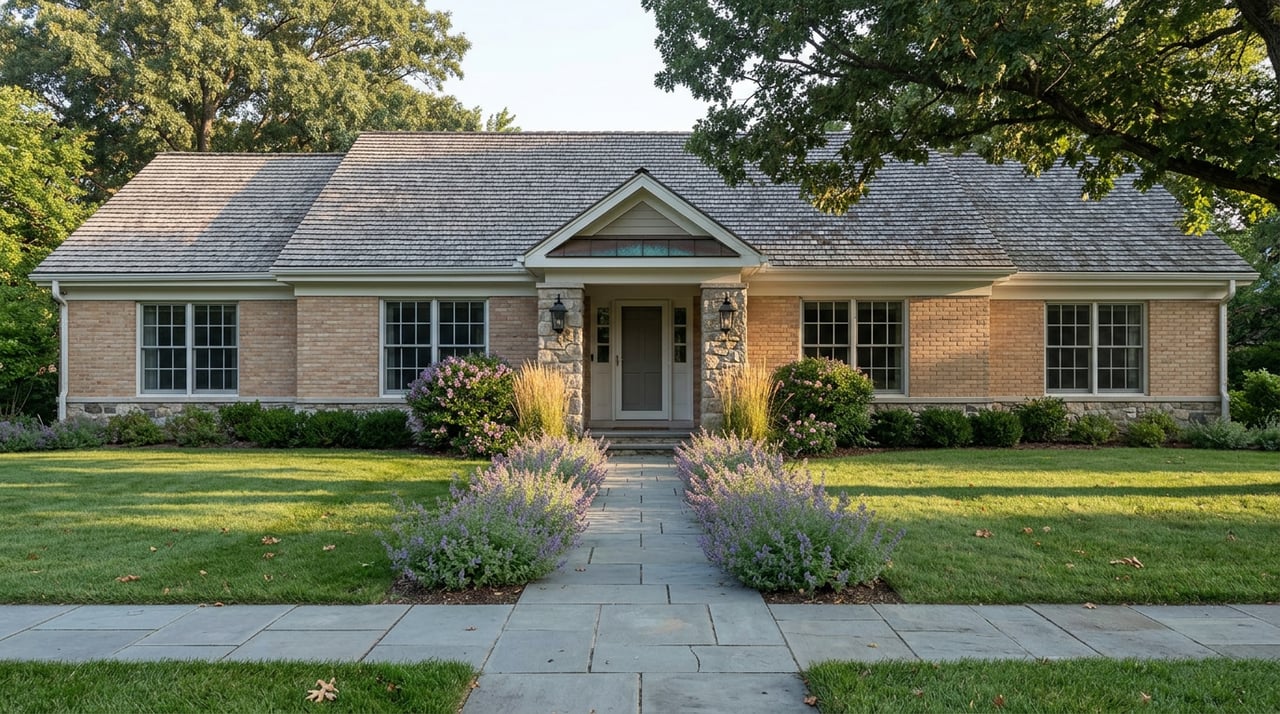
One of the first things you notice about Kenilworth is how consistently residential it feels. Unlike some nearby suburbs with active commercial corridors in town, Kenilworth is almost entirely made up of private residences.
That gives the community a quieter, more tucked-away atmosphere. It also means your day-to-day pattern often includes short trips to nearby villages for shopping, dining, and services.
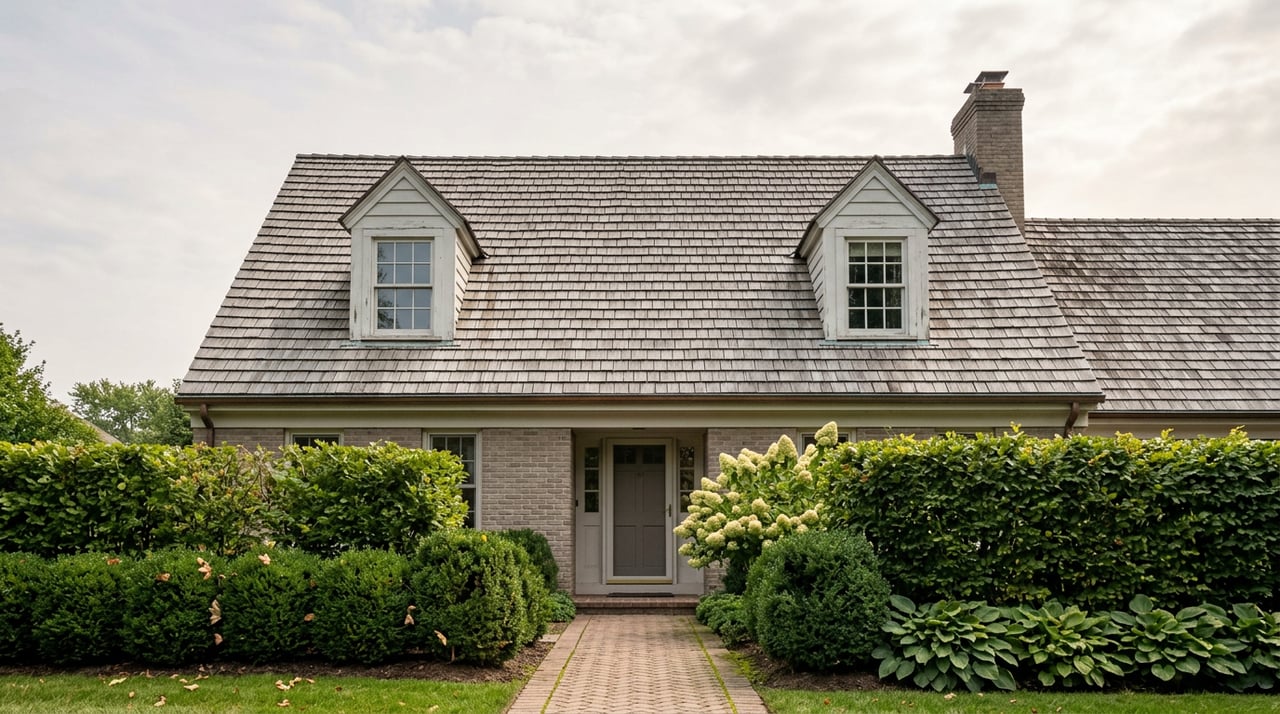
Kenilworth is known for its long-standing preservation culture. The Kenilworth Historical Society highlights the village’s many century-old homes, a range of architectural styles, and connections to notable designers including George W. Maher and Frank Lloyd Wright.
That architectural character is not accidental or loosely maintained. The village’s Architectural Review and Building Review commissions help reinforce a strong focus on preserving historic character, which contributes to the polished and cohesive look many buyers notice right away.
For you as a buyer, that can mean a housing stock with significant charm, craftsmanship, and architectural interest. It can also mean that updates and exterior changes happen within a community that places value on continuity and design stewardship.
Because Kenilworth is so residential, nearby communities naturally become part of everyday living. For many residents, that is part of the appeal rather than a drawback.
The village handbook notes that residents may obtain library cards through either the Wilmette Public Library or the Winnetka-Northfield Public Library at no additional cost. In practical terms, Kenilworth living often includes a regular connection to both Wilmette and Winnetka for errands, activities, and public resources.
For shopping and dining, nearby business districts play an important role. The Wilmette Chamber describes several business districts, including a downtown Village Center with restaurants and specialty stores, while Winnetka also offers multiple shopping and dining areas.
For such a small village, Kenilworth offers notably convenient rail access. The Kenilworth Metra station is located at 400 Richmond Rd. on the Union Pacific North line, and Metra lists the station as fully accessible with 100 parking spaces and Pace Route 213 service.
The village handbook also notes that the station connects riders to Ogilvie Transportation Center in Chicago and north to Kenosha on the same corridor. There are also Pace bus stops on Green Bay and Sheridan Roads.
If you want a North Shore lifestyle without giving up practical commuting options, this is one of Kenilworth’s strongest advantages. Having a station right in the village makes daily travel simpler than you might expect from a community of this size.
Lake Michigan is one of Kenilworth’s defining features. The village handbook describes resident beach access during the typical Memorial Day-to-Labor Day season, and a village proposal references a public swimming beach at the south end of the lakefront as well as the Kenilworth Sailing Club on the north end.
At the moment, there is an important update for anyone considering the lakefront lifestyle here. The current village information notes that Kenilworth Beach is closed for construction and is scheduled to reopen for the 2026 beach season.
Even with that temporary closure, the lake remains central to the identity of the village. Proximity to the shoreline, seasonal recreation, and the visual presence of Lake Michigan all contribute to the appeal of living here.
Kenilworth’s park district is another key part of local life. According to the village handbook, the Kenilworth Park District focuses on preserving and enhancing parks and facilities while offering recreational opportunities and events that support community connection.
That mission shows up in both facilities and programming. Recent examples include the opening of the Townley Field accessible playground and recurring events such as Food Truck Mondays at the Kenilworth Assembly Hall.
For residents, that means recreation in Kenilworth is not only about formal amenities. It is also about gathering spaces and familiar local events that help shape the rhythm of the year.
For families considering Kenilworth, schools are often part of the conversation. The Joseph Sears School serves Kenilworth students in grades K-8 and notes its long history, traditionally small class sizes, and strong parent volunteer involvement.
After eighth grade, the village handbook states that students are eligible to attend New Trier Township High School District 203 for grades 9-12. New Trier’s enrollment information lists Kenilworth within the district attendance area alongside several nearby North Shore communities.
If you are relocating, this school path is one reason Kenilworth often draws buyers looking for a village setting with an established educational structure. As always, it is wise to confirm current enrollment details directly with the relevant district.
Kenilworth may be small, but it has a strong civic identity. One of its best-known traditions is the Memorial Day Parade, which the historical society says has been held a week early since 1919.
The Kenilworth Historical Society’s tradition exhibit also references longstanding customs such as Field Day, Girl Scout Scamper Night, and Pancake Breakfast. An archived 2024 parade notice from the village shows how that observance has grown into a broader community day with a fun run, parade, and police open house.
That tradition-focused rhythm is part of what makes Kenilworth feel established and connected. If you value places where annual events still matter and neighbors share common routines, this village offers that experience in a very visible way.
In practical terms, living in Kenilworth often means choosing a quiet residential setting over in-town commercial activity. You get a village with architectural character, a strong sense of continuity, and close access to the lake and train.
You also become part of a lifestyle that naturally extends into neighboring communities for shops, dining, and certain public resources. For many buyers, that balance feels ideal: calm at home, connected when you need it.
Kenilworth tends to appeal to people who value historic homes, thoughtful planning, and a more intimate community scale. If that combination matches what you are looking for on the North Shore, Kenilworth is well worth a closer look.
If you are considering a move to Kenilworth or want guidance on finding the right North Shore fit, Mary Grant offers thoughtful, relationship-driven insight rooted in deep local experience. When you are ready, schedule a private consultation.
Call Mary and learn what so many of her friends and colleagues already know: When it comes to helping you buy or sell your home, Mary will go above and beyond to get it done.
Contact Mary to Learn More