Key Considerations When Buying Winnetka Lakefront Homes
March 5, 2026
March 5, 2026
Dreaming of morning coffee with Lake Michigan at your feet? In Winnetka, that view comes with unique rules, engineering questions, and insurance details you will want to understand before you write an offer. You are not just buying a home. You are buying a bluff, a shoreline, and a permitting path that can add time and cost if you are not prepared. In this guide, you will learn the must-know permits, surveys, inspections, shoreline options, insurance factors, and resale dynamics that shape smart lakefront purchases in Winnetka. Let’s dive in.
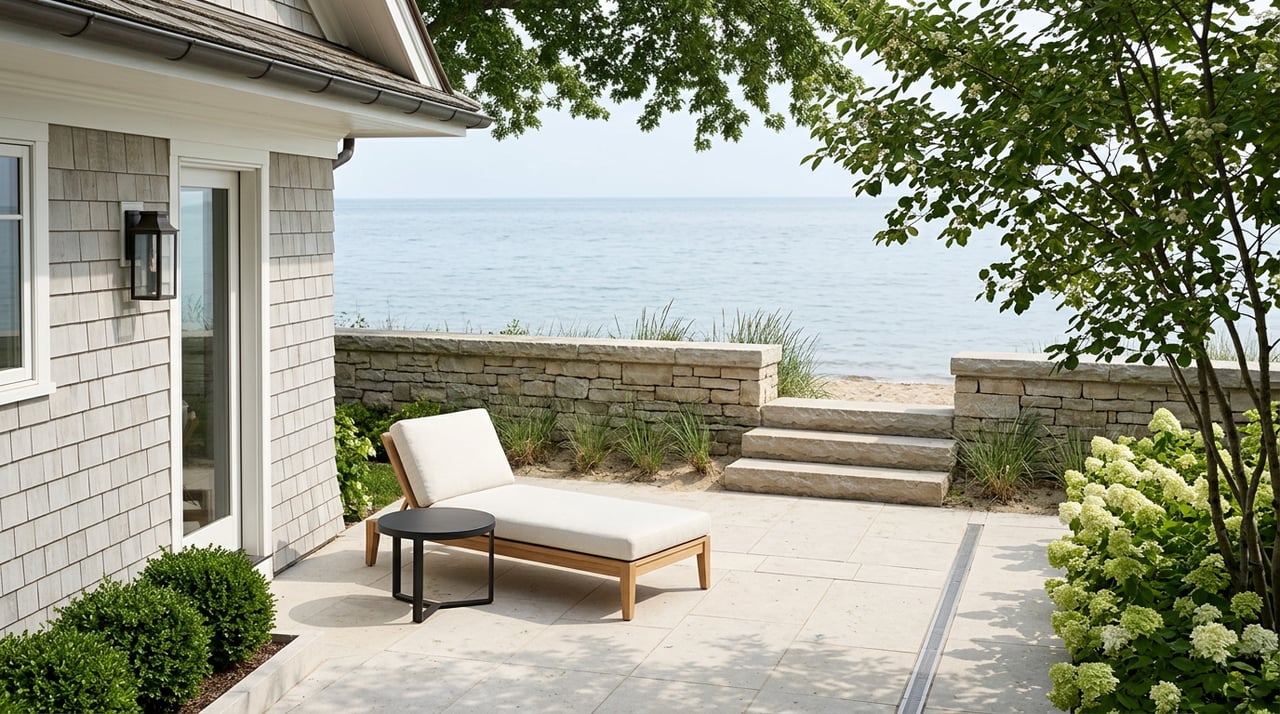
Many Winnetka lakefront parcels sit on bluffs that step down to the water. The Village’s 2024 steep-slope rules define these bluffs and set important limits on where and how you can build. For lakefront lots, the required front-yard setback is measured from the toe of the bluff or 50 feet from the Ordinary High Water Mark (OHWM), whichever is farther from the lake. That rule can shift the buildable footprint compared with non-lake parcels. You can review the details in the Village’s Steep Slope regulations in Chapter 17.82 of the code, which also explains how the OHWM is used to set lot lines and setbacks for lakefront zoning. See the Village’s Steep Slope Regulations (Chapter 17.82).
If you plan shoreline work or repairs, Winnetka has a dedicated Lakefront Construction permit process that coordinates with the Village Engineer. The Village expects you to meet with staff early, then provide copies of state and federal approvals as part of the local sign-off. In practice, that means your engineer or contractor will likely pursue Illinois Department of Natural Resources and U.S. Army Corps permits for any work at or lakeward of the OHWM, while you keep the Village process moving in parallel. Learn how the local permit works in the Lakefront Construction chapter (15.78).
Winnetka paused some permits while it studied bluff safety in 2023, then adopted the current steep-slope rules in early 2024. That history explains why lakefront projects face more detailed review today. The bottom line for you is simple. Build realistic time into your offer and closing plan if you need surveys, engineering, or permits.
Before you remove contingencies, stack your file with documents and expert opinions that speak to shoreline safety, insurance, and long-term costs. Use this list to guide requests from the seller and your pre-closing work.
Every shoreline is different, and wave energy drives what works. On the North Shore, you will commonly see:
Costs vary widely with access, materials, and design. Consumer references suggest a broad residential range of about 50 to 600 dollars per linear foot for riprap, vinyl, steel, or concrete seawalls. Complex or high-wave sites can run higher. Use this only as a starting frame and get local bids that include permitting. For a range and cost drivers, see this seawall cost summary.
Maintenance and inspection are not optional. Storm cycles and multi-year water level swings can stress even well-built systems. Owners in the area have reported major expenses after extreme years, which is a reminder to budget for periodic inspections and repairs. A local article covering Winnetka’s ordinance adoption notes homeowner concerns about cost impacts, which is useful context as you plan. Read the local reporting on the 2024 update.
On technical risk, coastal studies show that failures often begin at the underwater toe or through undermining, which is why underwater inspections can matter for older structures. See a Great Lakes engineering reference here: coastal flood and structure study.
Flood insurance pricing under FEMA’s Risk Rating 2.0 is now property specific. Distance to water, first-floor elevation, and estimated rebuild cost are key rating factors, not just the FEMA zone line. You should obtain an NFIP quote and at least one private-market quote early, and share any elevation certificate or building data you have to improve accuracy. Learn what drives premiums in this NFIP Risk Rating 2.0 overview and see documentation guidance in FEMA’s resources.
Many lenders still use FEMA flood zones to decide if insurance is required. If a property is in a Special Flood Hazard Area, a regulated lender will typically require coverage. If you do not provide a policy in time, some lenders will force-place one, which is often more expensive. For a consumer-friendly summary of mapping and requirements, see this FEMA open house resource.
Coastal homeowners policies are also sensitive to wind and hail exposure, building replacement costs, and claims history. Carrier appetite can shift with market conditions, so it helps to work with a broker who knows both NFIP and private carriers. A recent Senate discussion highlights the broader insurance market context for consumers and lenders. You can review that discussion here.
Winnetka lakefront is scarce and highly sought for privacy, water views, and proximity to beaches and parks. When shoreline protections feel reliable and documentation is clear, buyers often pay a premium for that blend of lifestyle and address. Presentation, records, and maintenance can amplify that value.
Regulatory changes can affect perceived buildability and appraisal assumptions. The Village’s Steep Slope Regulations set clear limits on disturbance within defined slope areas and tie setbacks to the bluff and OHWM. Documentation gaps can also chill interest. Missing permits for older armoring, evidence of recurring repairs, or unknown maintenance budgets can slow a sale or push buyers back to diligence. Public projects can shape expectations too. The Park District’s Waterfront 2030 work shows that some long-term shoreline solutions may be municipal, which can carry tax or assessment implications over time.
If you are drawn to Winnetka’s shoreline, your next step is a conversation that blends location, lifestyle, design potential, and risk. Start with the right team. Pair a surveyor and coastal or geotechnical engineer with your attorney and lender. Ask your insurance broker to run both NFIP and private quotes using elevation data. Collect the seller’s permits and service records early. Finally, shape your offer around realistic timelines for surveys, inspections, and any needed permits.
When you want a calm, senior-level guide through this process, reach out to Mary Grant for a private consultation. With deep North Shore relationships, discrete access to opportunities, and hands-on representation, you can move with confidence and clarity.
Call Mary and learn what so many of her friends and colleagues already know: When it comes to helping you buy or sell your home, Mary will go above and beyond to get it done.
Contact Mary to Learn More