Is a Prairie-style home in Kenilworth calling your name? With broad eaves, banded windows, and craftsmanship you can feel, these early 20th-century houses offer character you won’t find in new builds. You want the real thing, plus a clear plan for sensitive updates and smart due diligence. This guide gives you practical steps to identify authentic features, plan preservation-minded upgrades, and navigate local checks with confidence. Let’s dive in.
Why Prairie style fits Kenilworth
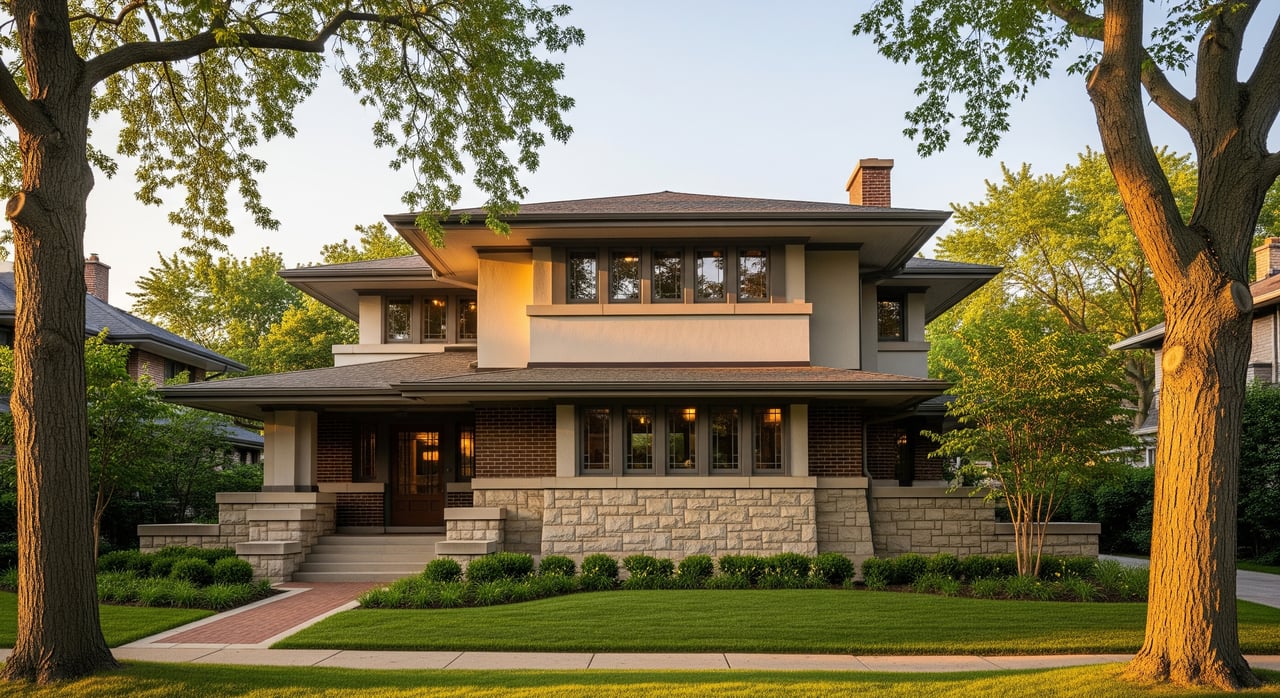
Prairie School architecture grew in the Midwest in the 1890s to 1920s. It emphasizes low, horizontal forms, natural materials, and strong connections to the landscape. Those ideas fit well on Kenilworth’s generous lots and tree-lined streets.
You’ll see the influence across the North Shore, shaped by architects like Frank Lloyd Wright and peers such as George W. Maher, Walter Burley Griffin, and William Drummond. If you appreciate thoughtful siting, built-in millwork, and art-glass, you’ll find prairie-inspired homes compelling in this village setting.
Spotting authentic Prairie details
Exterior essentials to look for
- Low-pitched or hipped roofs with wide overhanging eaves. Check eaves, soffits, and fascia for condition.
- Strong horizontality in the massing and rooflines, often reinforced by continuous trim or string courses.
- Grouped casement windows, sometimes with leaded or art glass, set in horizontal bands. Confirm original frames and muntin profiles when possible.
- Porches or terraces integrated with the landscape, not just a front stoop tacked on.
- Brick or stucco walls, natural stone trim, and carefully detailed wood elements.
- Built-in exterior elements such as planters or benches that blend with the façade.
Interior craftsmanship and flow
- Open or flowing living and dining areas that feel less formal than Victorian plans.
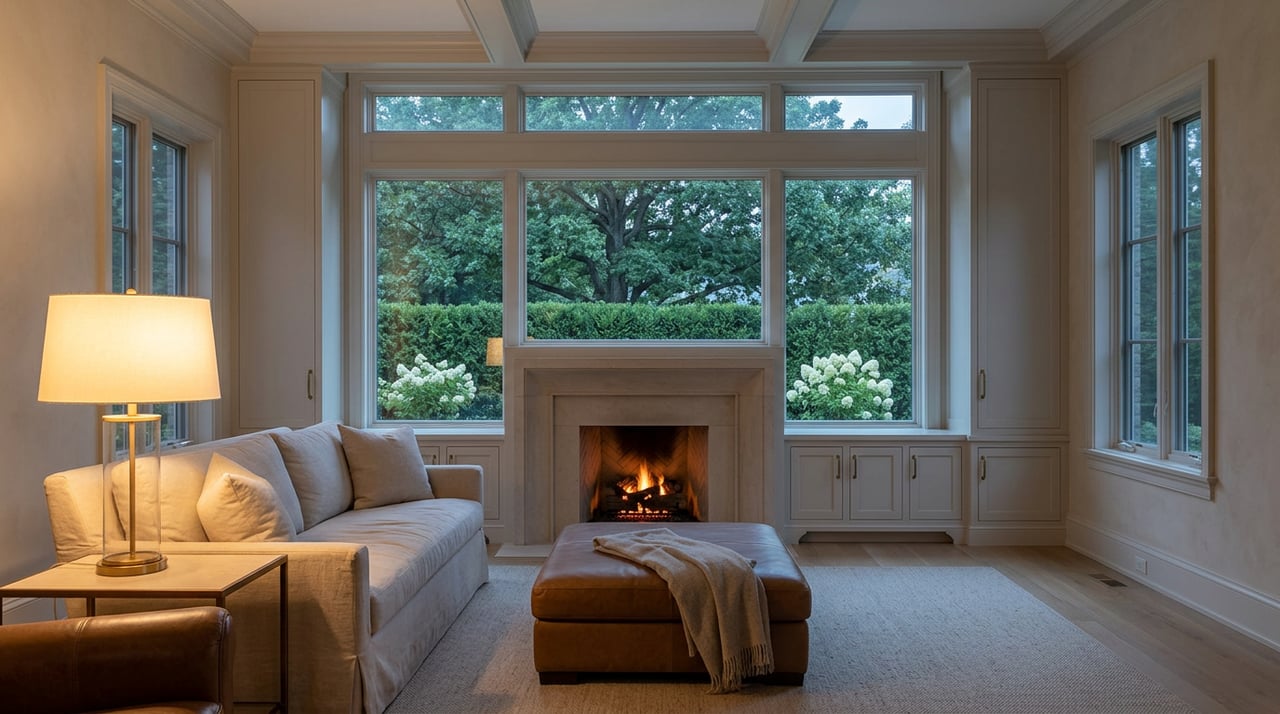
- Built-ins like bookcases, window seats, inglenooks, and dining nooks, often in quarter-sawn oak.
- Fine joinery in paneling, stair parts, and trim profiles that signal quality craftsmanship.
- Original finishes and systems may remain, such as plaster walls, early plumbing fixtures, or older wiring, each with preservation implications.
Red flags to investigate
Alterations that blur character
Additions that overpower the original massing or window replacements that ignore original proportions can diminish architectural value. Look for work that respects the horizontal rhythm and sightlines.
Masonry and stucco issues
Cement-heavy repointing or impermeable stucco coatings can trap moisture in historic walls. Watch for spalling, staining, or hairline cracks that suggest incompatible past repairs.
Water management problems
Prairie roofs and eaves were designed to shed water. Modern leaks often trace back to altered gutters, undersized downspouts, or grading that slopes toward the foundation.
Preservation-sensitive upgrades
Smarter HVAC choices
- Favor minimally invasive systems, such as high-efficiency gas furnaces with discreet duct runs or ductless mini-split heat pumps for targeted comfort.
- Plan for moisture control and ventilation so new equipment doesn’t harm historic finishes. Involve a preservation-minded architect early.
Insulation and energy performance
- Historic masonry and stucco need breathable approaches. Avoid exterior foam or impermeable coatings that trap moisture.
- Use interior strategies where appropriate, including dense-pack cellulose in select wall cavities, upgraded attic insulation, and insulated basements or crawls.
- Preserve original windows when possible. Weatherstrip, repair, and add interior storms or low-profile exterior storms for comfort without losing character. Full replacement should be a last resort and match original sightlines and profiles.
Windows, art glass, and woodwork
- Preserve original art glass and leaded windows whenever feasible. They are often irreplaceable contributors to value.
- If replacements are unavoidable, document originals with photos and measurements, then commission reproduction units that match profiles and patterns.
Roofs, gutters, and drainage
- Keep original roof forms and eave details intact. Choose roof materials that fit the historic look.
- Ensure gutters and downspouts are sized for heavy rain and directed away from the foundation. Concealed systems can help preserve clean eave lines.
Additions and accessibility
- Design additions to be subordinate and compatible. Set them back from primary façades and keep rooflines lower.
- Place ramps or lifts at the rear or side and use materials that blend with the home.
Solar done right
- Prairie roofs are often shallow and visible. Favor rear-facing or ground-mounted panels and removable mounts to protect historic materials. Coordinate early with local review authorities.
Kenilworth due diligence
Local checks to run
- Confirm zoning, permits, and any design review with the village planning and building department.
- Check National Register of Historic Places and Illinois preservation resources for listings that may guide treatment or offer technical help.
- Search for recorded deed restrictions or conservation easements.
- Verify setbacks, stormwater requirements, and any FEMA floodplain exposure if near Lake Michigan.
- Reach out to local historical and preservation groups for house histories or past restoration records.
Inspections to order
- A comprehensive home inspection by an inspector experienced with older homes, with attention to foundation, roof, drainage, and chimneys.
- A preservation-focused assessment by an architect or contractor to identify character-defining features and estimate restoration-sensitive work.
- Specialized inspections as needed, including structural engineering, moisture and mold testing, and surveys for lead paint or asbestos. Termite and pest checks are also smart for homes of this era.
Questions for sellers
- Which original features remain and which were replaced? Are there photos or documents showing earlier conditions?
- What roofing, mechanical, window, or foundation work was done, and were permits pulled?
- Any recurring moisture or drainage problems?
- Were lead or asbestos remediations performed, and by whom?
- Have restoration professionals prepared reports you can review?
Your team, costs, and incentives
Assemble the right professionals
- Historic preservation architect or an architect experienced with early 20th-century houses.
- Contractor with proven historic restoration work in joinery, masonry, and art-glass repair.
- Home inspector versed in older structures.
- Structural engineer familiar with historic framing and foundations.
- Window conservator or glazier for original sash and art-glass.
- Landscape architect for site integration and stormwater near the lakefront.
Cost realities to plan for
- Restoration-quality work often costs more than standard replacements but helps retain architectural value.
- Big-ticket items can include foundation repairs, roof replacements that preserve eave details, comprehensive window restoration, and remediation of hidden water damage.
- Build in a contingency for surprises common in older homes.
Incentives and financing
- Federal Historic Rehabilitation Tax Credits generally apply to income-producing properties, not owner-occupied homes. Confirm with a tax advisor.
- State and local programs vary. Look into resources through the Illinois State Historic Preservation Office, Landmarks Illinois, and local utilities for potential grants, rebates, or low-interest programs.
- Some properties may benefit from preservation easements or local tax adjustments. Verify details with Kenilworth and Cook County offices.
Quick buyer checklist
- Confirm neighborhood context, zoning, and any historic district status.
- Request past permits, renovation records, and any original plans or documentation.
- Hire an older-home inspector plus a preservation architect before finalizing an offer.
- Order specialized inspections for structure, moisture, and hazardous materials as indicated.
- Prioritize fixes in this order: site drainage, roof and envelope, mechanicals, then interiors.
- Repair rather than replace original features when feasible, and match profiles and materials if replacement is needed.
- Keep additions subordinate and reversible. Avoid altering primary façades.
- Plan energy upgrades that respect historic moisture dynamics.
- Get multiple bids from historic-experienced contractors and check references.
Ready to explore Prairie homes?
If you are drawn to low, quiet rooflines, crafted woodwork, and rooms that flow, a Prairie-style home in Kenilworth may be the right fit. With the right plan, you can preserve what makes it special and live comfortably for decades. If you would like local guidance and access to opportunities that fit your goals, reach out to Mary Grant for a private consultation.
FAQs
What defines a Prairie-style home in Kenilworth?
- Look for low-pitched roofs with broad eaves, strong horizontal lines, grouped casement windows, natural materials like brick or stucco, and built-in millwork.
How should I modernize HVAC in a historic Prairie house?
- Choose minimally invasive systems such as discreet high-efficiency furnaces or ductless mini-splits, and coordinate early with a preservation-minded architect.
Are there tax credits for owner-occupied Prairie homes in Illinois?
- Federal credits generally apply to income-producing properties, so check with a tax advisor and contact state and local programs for any current homeowner incentives.
Which inspections are critical for early 1900s homes?
- A thorough older-home inspection, a preservation assessment, and specialized checks for structure, moisture, lead paint, asbestos, and pests are recommended.
How should I approach window replacement in a Prairie home?
- Prioritize repair and weatherstripping, use interior or low-profile storms, and only replace as a last resort while matching original sightlines and profiles.
What should I ask the seller before I make an offer on a Prairie home?
- Ask which original features remain, what work was permitted, whether moisture issues exist, and if any hazardous-material remediation or preservation reports are available.